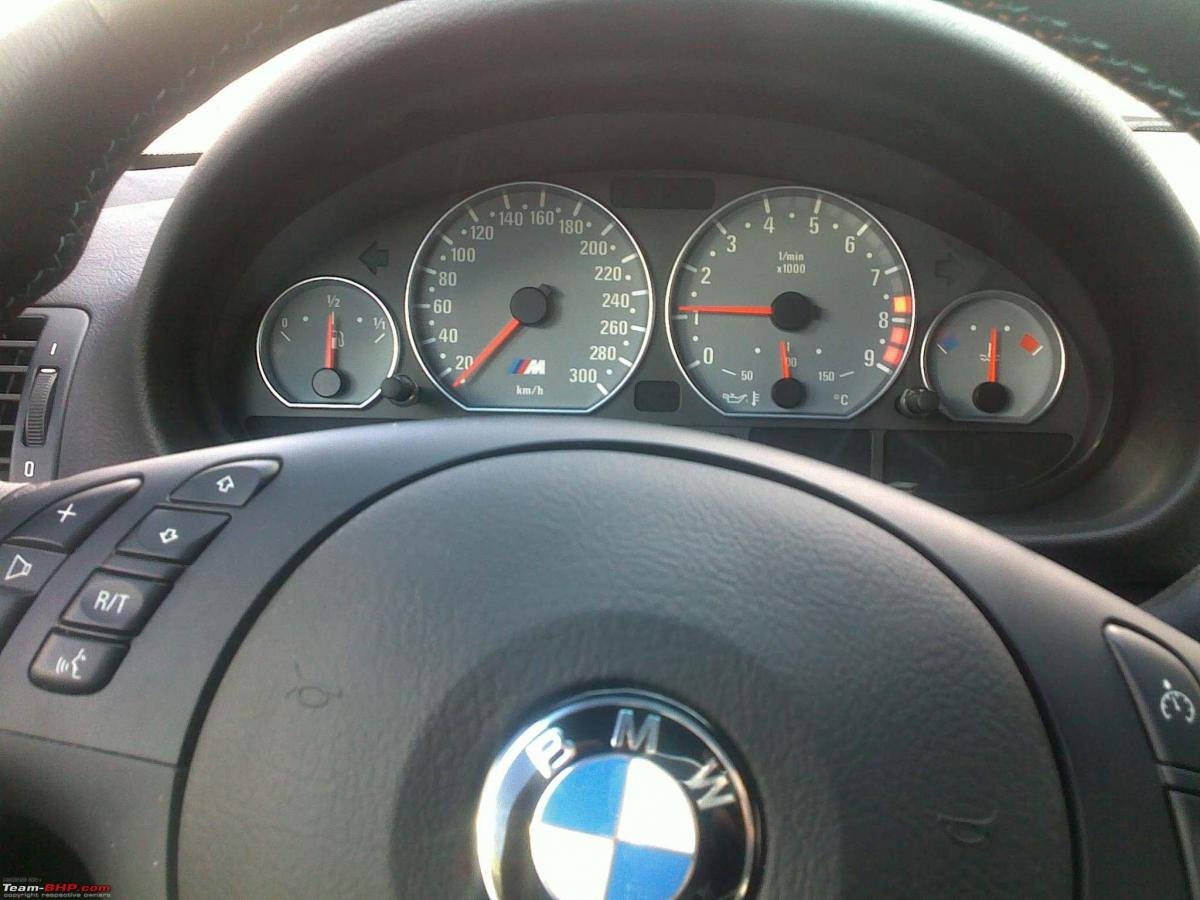
Few cars capture the essence of a bygone era of driving purity quite like the BMW E46 M3: The Iconic Driver's Car (2000-2006). This isn't just a sports car; it's a meticulously engineered symphony of power, balance, and driver engagement, widely regarded as the pinnacle of BMW's naturally aspirated M lineage. For many, it represents a golden age before forced induction and ever-increasing electronic intervention became the norm, solidifying its status as a modern classic and a highly sought-after collectible.
If you’re drawn to a machine that demands your attention and rewards your skill, the E46 M3 has likely been on your radar. But what makes it so special, and what should you know before diving into ownership? Let's peel back the layers on this legendary Bavarian.
At a Glance: Why the E46 M3 Still Reigns Supreme
- Peak Naturally Aspirated Performance: Its S54B32 inline-six engine is a high-revving marvel with an 8,000 rpm redline, delivering raw, linear power.
- Driving Purity: Available with a proper six-speed manual gearbox, rear-wheel drive, and near-perfect 50/50 weight distribution for an unparalleled analog driving experience.
- Timeless Design: Pre-controversial BMW styling with muscular fender flares, a power-dome hood, and quad exhausts that still look fantastic today.
- Modern Classic Status: Increasingly desirable among enthusiasts and collectors, with values on a steady climb.
- Coupe or Convertible: Offered in two-door coupe and convertible body styles to suit different preferences, though the coupe often holds a higher premium for its rigidity.
- The Competition Package (ZCP): A rare and highly coveted option that introduced CSL-derived components for an even sharper driving feel.
The Genesis of a Legend: What Makes the E46 M3 Unforgettable
The E46 M3 didn't just happen; it was meticulously crafted. Emerging in 2001 (though often referenced as 2000-2006 for its model generation), it built upon the strengths of the successful E36 M3, elevating every aspect. BMW's M division took the already excellent E46 3 Series platform and transformed it into something truly special.
This was an era when BMW's focus was squarely on the driver. No excessive digital screens, no artificial engine sounds—just a direct connection between man, machine, and road. The resulting car offered a blend of everyday usability and track-day aggression that few others could match, defining a generation of performance cars.
The S54B32 Engine: A High-Revving Masterpiece
At the heart of the E46 M3 lies its crowning glory: the S54B32 engine. This 3.2-liter (3,246-cc) 24-valve DOHC inline-six is a naturally aspirated marvel, engineered for pure performance. With an intoxicating 8,000 rpm redline, it delivers 333 horsepower at 7,900 rpm and 262 lb-ft of torque at 4,900 rpm, achieving an impressive 103 hp per liter.
What makes this engine so special?
- Double-VANOS: BMW's highly advanced variable valve timing system on both intake and exhaust camshafts ensures optimal power delivery across the entire rev range.
- Individual Throttle Bodies: Each cylinder gets its own throttle body, providing instantaneous throttle response and precise air control – a hallmark of high-performance engines.
- Dry Sump-ish Lubrication: Two oil sumps and pumps ensure consistent oil supply even under high G-forces during aggressive cornering.
- Equal-Length Header Tubes: Optimized exhaust flow for maximum power and that distinctive, metallic M-car howl.
Coupled with its relatively light weight (the coupe tips the scales at 3,415 pounds), the S54 propels the E46 M3 coupe from 0-60 mph in a blistering 4.8 seconds. Even the slightly heavier 3,781-pound convertible manages a respectable 5.4 seconds. All models are electronically limited to a top speed of 155 mph. This engine is a masterpiece, a true testament to BMW's engineering prowess in crafting naturally aspirated engines before turbos became ubiquitous.
Precision Engineered: Chassis & Handling Dynamics
The E46 M3 isn't just about straight-line speed; its handling is legendary. BMW meticulously engineered the chassis for exceptional balance and responsiveness. You’ll find a near-ideal weight distribution (50.1/49.9% front/rear for the coupe, 49.9/50.1% for the convertible), making it feel incredibly neutral through corners.
Key chassis features include:
- Fully Independent Suspension: Utilizing lightweight aluminum components, MacPherson struts upfront, and a sophisticated four-link trailing arm setup in the rear.
- Stiffer Components: Compared to the standard E46, the M3 received stiffer springs, dampers, and bushings, along with larger anti-roll bars.
- M Variable Differential Lock: A limited-slip differential that ensures optimal traction and puts power down effectively, especially when exiting corners.
- Strong Braking System: Large 12.8-inch front and 12.9-inch rear vented discs, paired with ABS, Corner Brake Control, Dynamic Stability Control (DSC), and All-Season Traction control, provide immense stopping power.
The standard 18-inch Style 67 cast-alloy wheels (18x8-inch front, 18x9-inch rear) with performance tires (225/45ZR18 and 255/40ZR18) contribute to its impressive 0.87 g on the skidpad, ensuring plenty of grip for spirited driving.
Timeless Aesthetics: Design That Endures
The E46 M3's design is a huge part of its appeal. It represents a period of BMW styling that is universally loved for its muscular yet elegant lines. The changes from the standard E46 are subtle but impactful, giving it a purposeful, athletic stance without resorting to overly aggressive flourishes.
You'll immediately notice:
- Flared Wheel Arches: Significantly wider than a standard E46, accommodating the broader track and larger wheels.
- Power-Bulge Aluminum Hood: A distinctive bulge hints at the powerful engine beneath. Being aluminum, it also contributes to weight savings.
- Aerodynamic Enhancements: Revised sills and bumpers with deep air intakes improve airflow and cooling.
- Quad Exhaust Tips: The signature M-car quad exhaust tips protruding from the rear bumper leave no doubt about its performance credentials.
- Trunk Spoiler: A subtle lip spoiler adds downforce and visual flair.
- Unique Chrome Vent "Gills": These side vents, adorned with the M3 badge, are a nod to classic BMW sport coupes like the 2800/3.0 CS.
Inside, the cabin is driver-focused, featuring comfortable sport seats, high-quality materials, and ergonomic controls. While modern tech is limited, desirable options like navigation, Harman Kardon stereo, and adjustable-bolster seats were available. Safety wasn't overlooked either, with dual front airbags, door-mounted side airbags, head airbags (coupes), and a Rollover Protection System (convertibles) standard.
Transmission Choices: Manual Purity vs. SMG Technology
When buying an E46 M3, one of the biggest decisions you'll face is the transmission:
- Six-Speed Manual: The standard transmission, a Getrag 420G unit, is beloved for its direct feel and engaging experience. This is the choice for purists and those seeking maximum driver involvement.
- Sequential Manual Gearbox (SMG): Introduced as an option in late 2001, the electro-hydraulically operated SMG offers F1-style paddle shifting without a clutch pedal. While it provides quick shifts, particularly in its most aggressive modes, it's known for being clunky at low speeds and has more complex maintenance needs due to its hydraulic pump and actuators. Many consider the manual to be the more reliable and enjoyable option long-term.
It's worth noting that SMG-equipped cars are generally marked down 10-20% in value compared to their manual counterparts on the used market. However, for those who prefer the sequential shift feel or want a unique piece of BMW's technological history, the SMG offers a different kind of experience. If you’re considering an SMG, understanding SMG transmission pros and cons is crucial.
Evolution Through the Years: Key Model Year Changes
While the core E46 M3 remained consistent, BMW introduced several refinements and options throughout its production run:
- 2001: Launch year, setting the benchmark. New pricing was $46,045 for the coupe and $54,045 for the convertible.
- 2002: The SMG gearbox became an option. An underhood strut bar was added, and a CD player became standard.
- 2003: Notable upgrades included standard Xenon low-beam headlights and LED taillights. HVAC controls were redesigned, and DVD-based navigation became available. Nappa leather became standard for coupes. This year also saw the introduction of the lightweight M3 CSL coupe in Europe (360 hp, unpainted carbon-fiber roof, special components), a legendary variant that unfortunately wasn't sold in the U.S. (1,383 units built).
- 2004-2006: Minor changes, mostly consisting of new paint colors and the availability of 19-inch forged and polished Style 67 wheels.
- 2005 (ZCP) Competition Package: A highly desirable $4,000 option available for coupes, pulling inspiration from the CSL. This package enhanced the driving experience with:
- Quicker steering ratio
- Lowered suspension
- Special brakes (larger front rotors)
- Unique 19-inch forged M cross-spoke (Style 163M) wheels
- Milled aluminum interior trim
- Alcantara for the handbrake grip and steering wheel (which also featured an "M Track Mode" button)
- Deletion of cruise control (for ultimate focus)
- Improved skidpad grip to 0.91g
- Exclusive Interlagos Blue metallic paint option.
The Competition Package cars are among the most sought-after E46 M3s today, commanding a significant premium.
Buying an E46 M3 Today: Navigating the Market
The E46 M3 market is vibrant, with prices steadily rising for well-maintained examples. If you're considering ownership, careful research and a thorough inspection are paramount. Total production amounted to 85,744 units globally, with an estimated 26,200 coupes and 17,600 convertibles imported to America.
The Golden Rule: Pre-Purchase Inspection (PPI)
This cannot be stressed enough: Always demand a comprehensive service history and arrange a pre-purchase inspection by a trusted BMW expert. These are complex performance cars, and deferred maintenance can lead to costly repairs. A reputable shop will identify common issues and give you a clear picture of the car's health. For any performance car pre-purchase inspection, especially one of this age, this is your best defense.
Market Value & Trends
Public sale prices are generally rising and are often higher than traditional book values.
- Coupes are typically more valued than convertibles due to their increased rigidity and often perceived performance focus.
- Manual Transmission cars fetch 10-20% more than SMG-equipped models.
- Rare Paint/Interior Colors can add 20%+ to value for collectors.
- Competition Package (ZCP) Coupes command the highest prices, especially manuals.
Average Asking Prices (Based on Hemmings data, past 3 years):
| Model Variant | Low ($) | Average ($) | High ($) |
| :----------------------------- | :------ | :---------- | :------- |
| Coupe (2001-2002) | 15,000 | 27,000 | 65,000 |
| Coupe (2003-2006) | 22,000 | 37,000 | 90,000 |
| Convertible (2001-2002) | 10,000 | 20,000 | 56,000 |
| Convertible (2003) | 10,500 | 21,000 | 57,000 |
| Convertible (2004-2006) | 14,000 | 26,000 | 60,000 |
| Comp. Package Coupe (Manual) | | 41,600 | |
| Comp. Package Coupe (SMG) | | 31,200 | |
Common Issues & Maintenance Considerations
Here’s where a thorough PPI becomes invaluable. Be aware of these known E46 M3 quirks:
Body & Chassis
- Rust: Inspect front/rear fenders, jacking points, battery area, under sills, and behind fender liners.
- Rear Subframe Mounting Points & Trunk Floor Cracks: This is the most critical chassis issue. Due to high stresses, especially on cars driven hard, the sheet metal where the rear subframe attaches to the chassis can crack. Carefully inspect the trunk floor (under the carpet) and underneath the car. Reinforcement panels are available for repair, but a pre-existing crack significantly impacts value and requires costly attention.
Interior
- Wear and Tear: Look for wear on seat bolsters, steering wheel, and interior buttons, which can show signs of heavy use, UV exposure, or moisture damage.
- Weatherstripping: Commonly fails and can lead to water leaks.
- Power Window Regulators: A known failure point.
- Tire Sealant Kit: The trunk houses a puncture-sealant inflator kit instead of a spare. This kit has an expiry date and should be replaced every five years (costing around $165).
- Infotainment Upgrades: Many owners opt for aftermarket touchscreen head units (e.g., Dynavin) to modernize navigation and audio.
Engine (S54)
- Oil Type: The S54 demands specific synthetic 10W-60 oil. Do not deviate.
- Valve Inspections/Adjustments: Recommended every 30,000 miles to maintain optimal performance and prevent issues.
- Rod Bearings: A well-documented issue on early (2001-’03) examples. Many owners proactively replace them around 80,000-100,000 miles. Listen for any knocking sounds, which could indicate a failing bearing.
- Double-VANOS System: While brilliant, it has known failure points:
- Failing solenoid coil packs
- Sticking solenoid valve bodies
- Broken oil-pump tabs on the exhaust camshaft hub
- Addressing common VANOS issues is a crucial part of long-term S54 ownership.
Transmission & Differential
- Getrag 420G Manual: Generally robust. Check for smooth shifts and listen for grinding, which could indicate synchro wear, especially in second gear.
- SMG Units: More prone to failure, particularly the hydraulic pump. Clunky shifts or error lights are signs of impending issues. Manual conversions from SMG are a popular (and costly) option for owners facing repeated SMG failures.
- M Variable Differential Lock: Check for proper operation; a healthy limited-slip differential is essential for the car's handling.
Suspension & Brakes
- Bushings: Front control-arm bushings and various rear suspension bushings (subframe, trailing arm, differential mounts) are common wear items that affect handling precision.
- Upper Rear Shock Mounts: Factory units are known to fail; aftermarket shock mounts offer improved durability.
- Brake Upgrades: For enhanced braking, CSL/Competition Package front rotors can be used with stock calipers, providing a slight performance boost.
Understanding Parts & Maintenance Costs
Owning an E46 M3 means preparing for enthusiast-level maintenance. While aftermarket support is strong, genuine BMW parts can be pricey. Here are some representative OEM parts prices to help you budget:
- Brake disc, front: $327
- Clutch kit: $546
- Convertible top switch: $57
- Engine variable valve timing solenoid (VANOS): $821
- Hood emblem: $54
- Ignition coil with spark plug connector: $37
- Mass airflow sensor (aftermarket): $150
- Quarter window surrounding gasket for coupe: $198
- Water pump (aftermarket): $200
- Window regulator without electric motor (aftermarket): $163
These costs highlight the importance of budgeting for regular maintenance and potential repairs. A healthy E46 M3 is a joy to own, but a neglected one can quickly become a money pit.
Is the E46 M3 Your Iconic Driver's Car?
The BMW E46 M3 stands as a monument to a specific philosophy of automotive engineering: one where the driver is paramount, and mechanical connection triumphs over digital intervention. Its naturally aspirated S54 engine, perfectly balanced chassis, and timeless design combine to create an experience that remains intoxicatingly relevant today.
While ownership requires a commitment to proper maintenance and an understanding of its potential quirks, the rewards are immeasurable. Few cars offer such a raw, engaging, and utterly satisfying driving experience across such a wide range of conditions. Whether you're carving canyons, tackling a track day, or simply enjoying a spirited Sunday drive, the E46 M3 delivers.
If you’re seeking a modern classic that offers unparalleled driver involvement and an engine note that sings to 8,000 rpm, the E46 M3 is waiting. Just remember: do your homework, get that PPI, and embrace the journey of owning a true legend.
Ready to dive deeper into the world of M cars? You can explore BMW M3 generations to see how the E46 fits into the broader legacy of these incredible machines, or perhaps compare it to its predecessor, the E36 M3 Buyer's Guide.